-
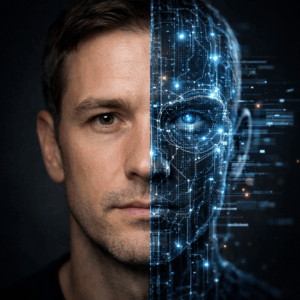
AI-Driven Social Engineering: The Threat Landscape for 2026
AI is turning social engineering attacks into operations that are more sophisticated, faster, larger in scale, and highly personalized. Instead of targeting simple human mistakes, future attacks will increasingly focus on exploiting trust between people and systems, using advanced voice and video forgeries, fabricated background stories, and psychological profiling of targets. This perspective is based…
-
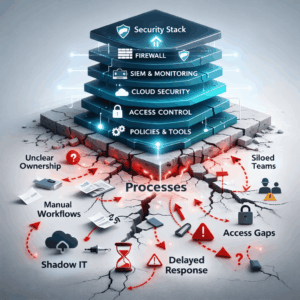
The Security Stack is Strong. The Processes are Weak.
In most organizations, the security stack looks impressive. There are advanced systems, dedicated budgets, leading vendors, and well-organized reports. On paper, everything seems under control. But many security incidents do not start with a technological failure. They start with a process failure. Permissions that were not updated on time, employees who changed roles but kept…
-
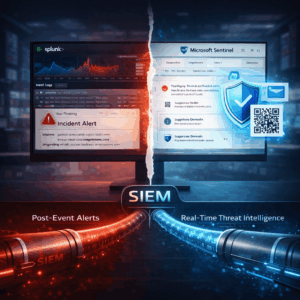
Why SIEM Without Real-Time Phishing Intelligence Is Only Half the Picture
Organizations today invest heavily in SIEM platforms like Splunk and Microsoft Sentinel, and for good reason. These systems are essential for centralizing security events, analyzing suspicious behavior, and providing SOC teams with a broad view of what is happening across the network. But in one critical area, a major gap still remains: phishing. The challenge…
-

Cyber Fraud Overtakes Ransomware. Enterprise Security in 2026
For years, ransomware attacks were considered the primary cyber threat to organizations. They were loud, disruptive, and made headlines. But in recent years, a quieter and far more troubling shift has taken place: cyber fraud, led by advanced phishing attacks, is becoming the most significant source of financial damage for companies and enterprises. Unlike ransomware,…
-
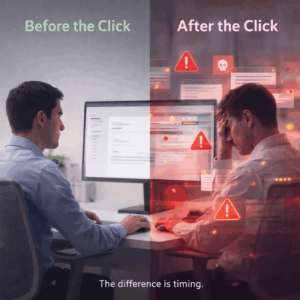
After the Click, You’re Already Late
In a meeting with a large organization, backed by a strong SOC and a broad security stack, the message was clear from the start:“We’re covered. We have everything.” Not defensively – but with confidence. When the idea of walking through a scenario came up, the customer immediately jumped at the opportunity. They wanted to show…
-
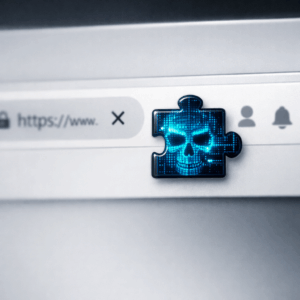
Team51 Research: Phishing Attacks Are Shifting from Email to the Browser
For many years, email was the primary attack vector for phishing. Most security systems, organizational awareness efforts, and employee training programs were built around this assumption. However, new research by NTrigo’s research team, Team51, points to a fundamental shift that is already underway and expected to intensify significantly throughout 2026: the browser is becoming the…
-

Phishing-as-a-Service: One of the Top Trends of 2025
One of the most important developments this year is the sharp rise of Phishing as a Service (PhaaS) platforms.Pre built phishing infrastructures that are sold or rented like any other software product. What once required deep technical expertise, servers, and complex setup has become an off the shelf service: • Ready made impersonation websites• Campaign…
-
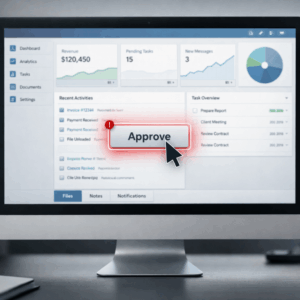
A Routine Approval That Turned Into a Financial Loss
It started with a completely ordinary action.A short message. A request for approval. Something that looked like part of the daily workflow. An employee in the finance department received a request to approve an action. She was not asked to enter a password, did not download a file, and nothing unusual appeared. Everything looked normal.…
-
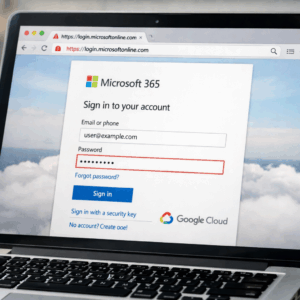
Phishing Campaign Abusing Google Cloud Targets Microsoft 365 Accounts
A recent phishing campaign demonstrates how legitimate cloud services can be abused to compromise enterprise Microsoft 365 accounts, without using malware, exploits, or compromised infrastructure. The attack relies entirely on trusted platforms, primarily Google Cloud services, to bypass traditional security controls and gain access to corporate credentials. How the Campaign Works Attackers use Google Cloud…